
TSANGAYA EDUCATION REFORM: A NOBLE PROGRAM STRUGGLING UNDER POOR EXECUTION
By Mohammed Tikka
The Tsangaya education reform introduced by the government to improve the traditional Almajiri education system is not going as planned, even though many Islamic teachers (Malams) and students support the idea.
The goal of the program is to mix Qur’anic learning with basic Western education, like reading, writing, and arithmetic, so that children who are mostly from poor families can stop begging on the streets and have a better future. But despite the good idea behind it, many things are not working well.
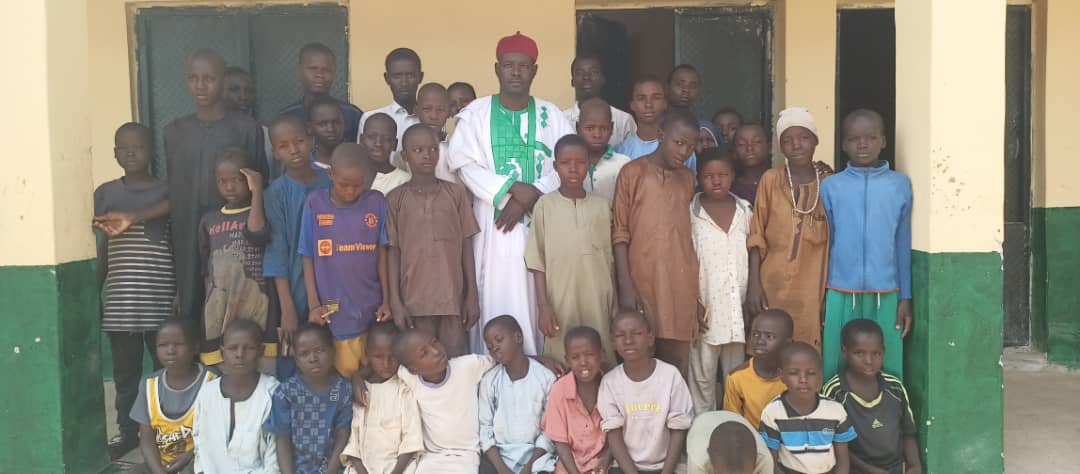
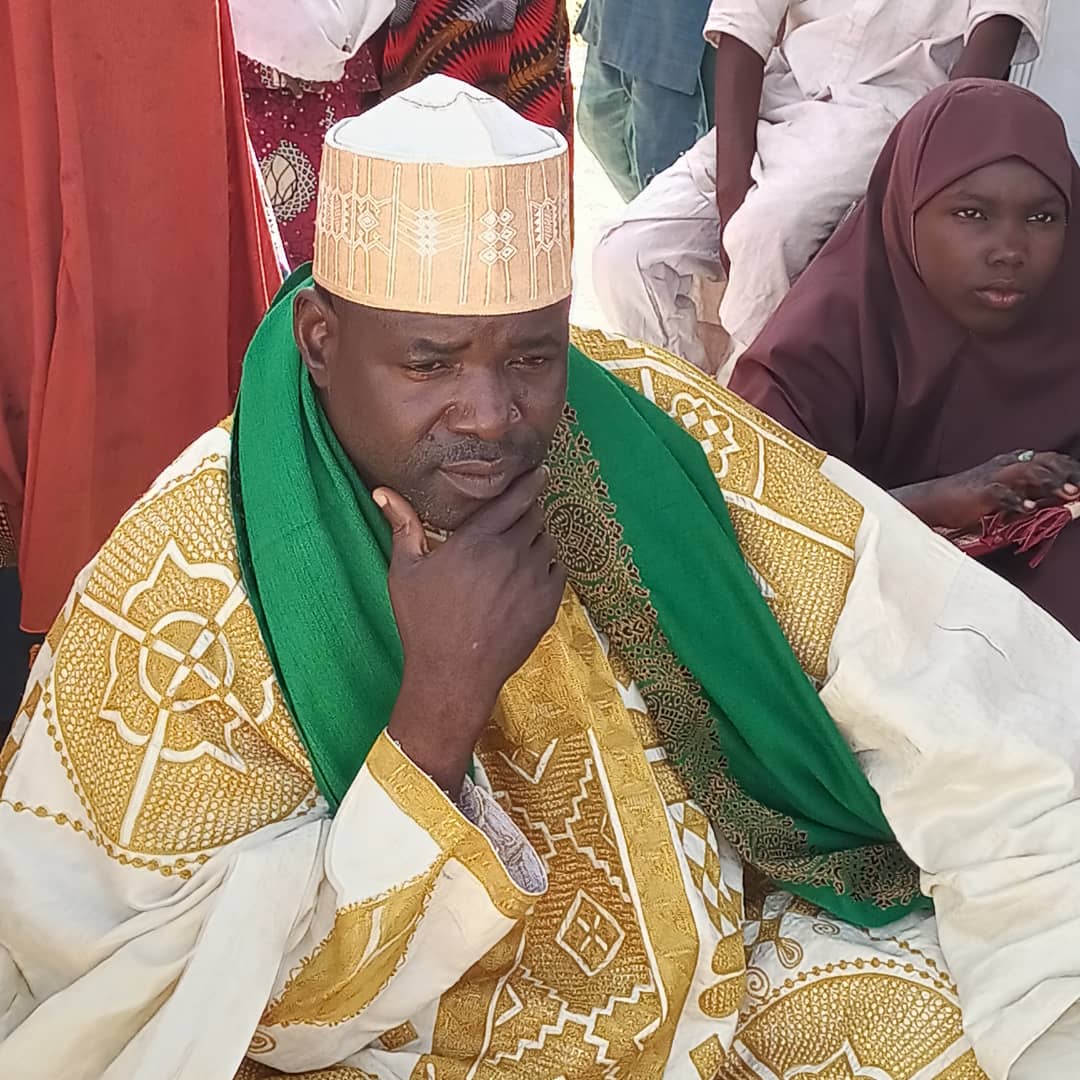
In an interview with Malam Gwani Aliyu Gimba, the head of Alarammas of Tsangaya Education Development Initiative in Taraba State, he shared both his hope and frustration. He spoke at his Tsangaya school located at Junction Tukunya, Sabon Gari in Jalingo.
He said he has been running his Tsangaya school for more than 30 years. He explained that the current idea of reform started during President Buhari’s time with a organization called BESDA (Better Education Service Delivery for All).
Later, other organizations like IQTE and the Commission for Almajiri and Out-of-School Children joined in. According to him, these organizations came with promises to help, but the support is not reaching the real schools where it is needed most. He accused some people of pretending to be part of the Tsangaya program only to divert the help for their own selfish reasons or political interest.
He said, “It is painful to see these children still struggling for food, shelter, and learning materials when there is a government program meant to support them.”
Malam Gimba still praised the government for starting the program, saying that if it is well managed, it will help these children grow into responsible and successful people. He said his school alone has over 350 pupils, both boys and girls, mostly from Taraba State and aged 10 and above.
Some of the pupils, Hussaini Umar and Adamu A. Muhammad, told our reporter that they feel like the government has forgotten them. They begged the government to fix the program so they can benefit and grow to help the country.
In other Tsangaya schools visited in Taraba and nearby states, many Malams and pupils said the same thing. They love the idea of learning both Qur’an and basic education, but many problems are stopping the program from working well.
One Mallam, Abdullahi, said, “This is a good program. We are happy our students can learn to read and write. But honestly, things are not working as they should.”
Some of the common problems mentioned includes
Government officials and program workers rarely visit the schools
Malams don’t get training or support to teach new subjects
Volunteer teachers don’t get paid on time or at all
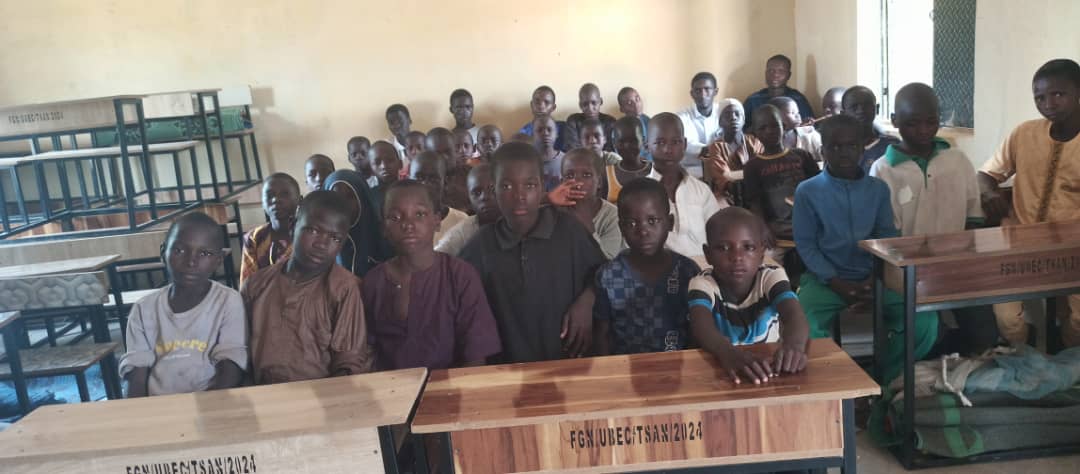
Even the pupils notice these problems. Some say they enjoy the new learning style, but their classes are too full, they don’t have books, and food is often missing.
“I want to be a teacher, that’s why I like this school. But sometimes, we don’t see our teacher and getting food is very difficult ,” said 12 year old, Musa.
Parents also shared their views. Mal. Umaru, a wood seller in Jalingo said, “These children are not useless. If you give them support, they can succeed anywhere. Government should not turn its back on this program.”
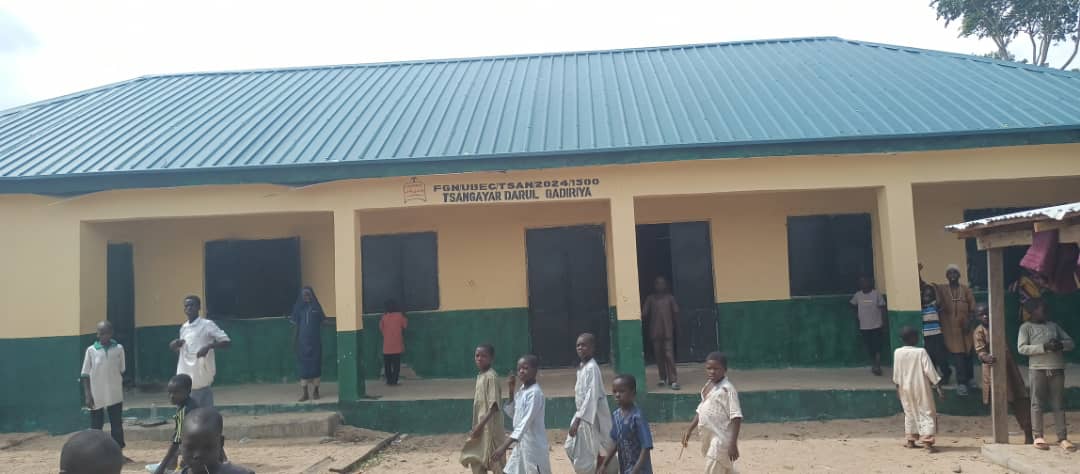
The government had promised, through UBEC (Universal Basic Education Commission), to work with states, local leaders, and traditional rulers to make Tsangaya part of the main education system. But poor planning, dishonesty, and weak follow-up are making the plan fail.
People are now asking the government to go back and fix the program, involve honest local leaders, and make sure every promise made is followed up.
If the program is properly managed, it can change the lives of millions of children, giving them hope, dignity, and a future like every other child in Nigeria.