













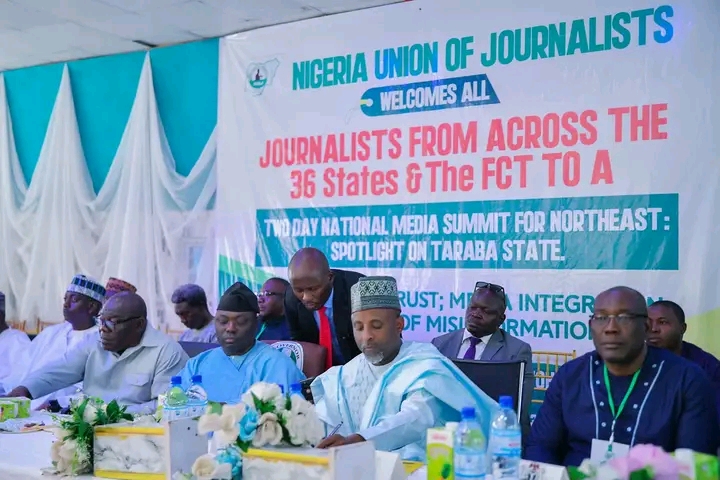



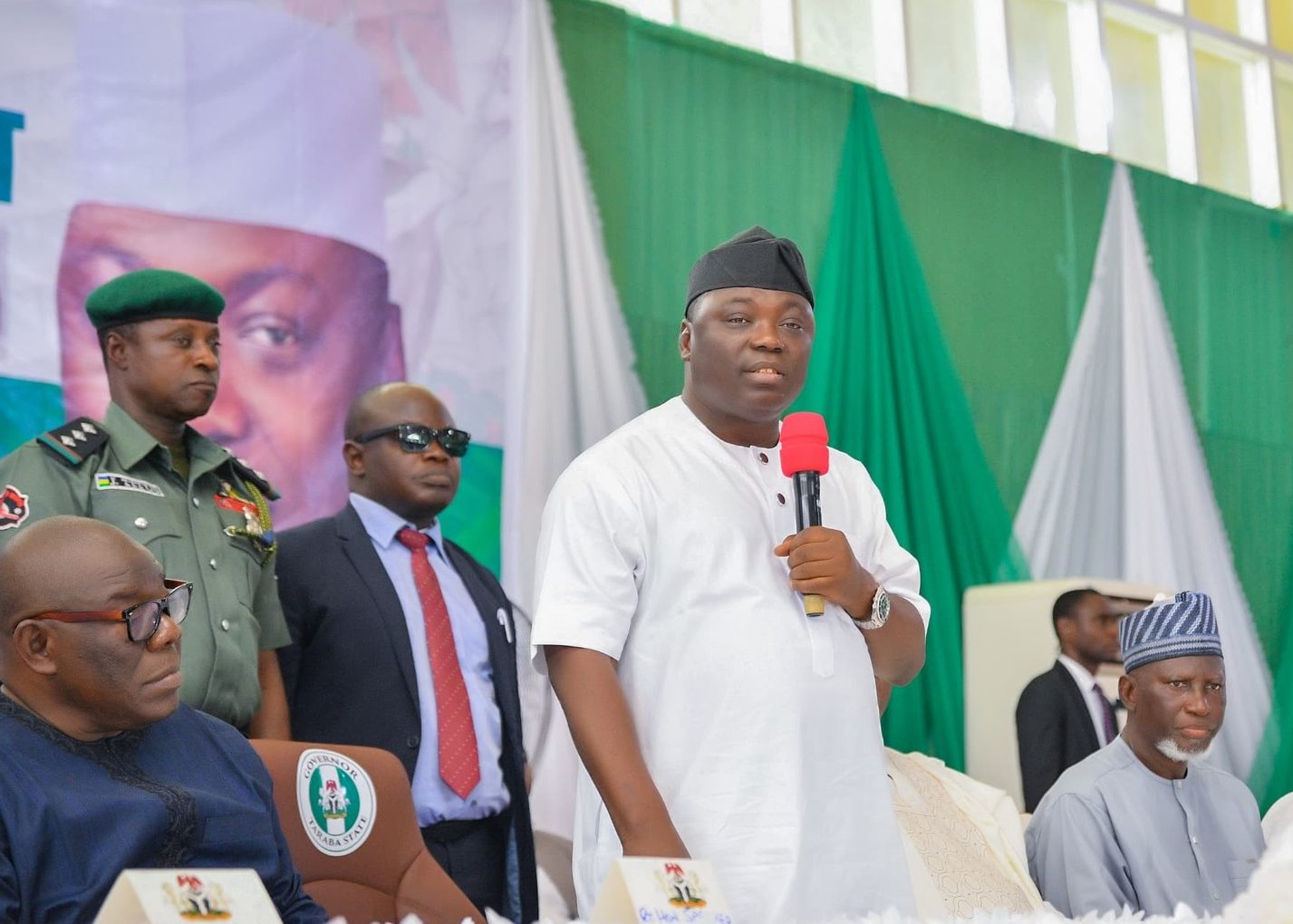
From delay to development: should we back Dr Kefas’ October promise?
By Rikwense Muri
In moments of collective hardship, it is easy to be swept away by the tide of public emotion. When everyone is crying, the natural instinct is to cry with them. When voices rise in complaint, we feel the urge to add our own grievances. When the masses rise to fight against government, or to sing its praises, we often find ourselves joining in—not because we have thought deeply about it, but because it feels safer to belong to the crowd.
But history teaches us that progress rarely comes from those who merely echo the noise of the majority. True change often begins with men and women who refuse to be carried along by the currents of popular sentiment. They pause. They reflect. They think differently.
Crisis is a teacher. It reveals weakness in systems, exposes flaws in leadership, and magnifies the cracks in society. Yet, it also presents a hidden opportunity. While many see only failure and chaos, the creative thinker sees an opening. A broken system cries out not only for critics, but for builders. A suffering society does not need more tears and despair, but hands willing to shape something new.
History gives us striking examples.
In South Africa, at the height of apartheid, Nelson Mandela refused to be consumed by bitterness. He once said, “Resentment is like drinking poison and then hoping it will kill your enemies.” Instead of vengeance, he chose reconciliation. By thinking differently, he turned his nation away from civil war and towards democracy.
In India, Mahatma Gandhi faced the might of colonial oppression but rejected violence as the easy answer. “In a gentle way, you can shake the world,” he reminded his people. Through patience and peaceful resistance, he proved that courage is not only found in the sword but in the discipline of restraint. His strategy toppled an empire and inspired movements across the globe.
In Nigeria, Chief Obafemi Awolowo looked at a country drowning in waste and corruption during the oil boom years and refused to follow the crowd. “After rain comes sunshine; after darkness comes the glorious dawn,” he declared. With vision, he invested heavily in education and infrastructure, laying foundations that still bear fruit in the Yoruba region today.
These leaders remind us that in times of uncertainty, progress belongs not to those who complain the loudest, but to those who think differently and act strategically.
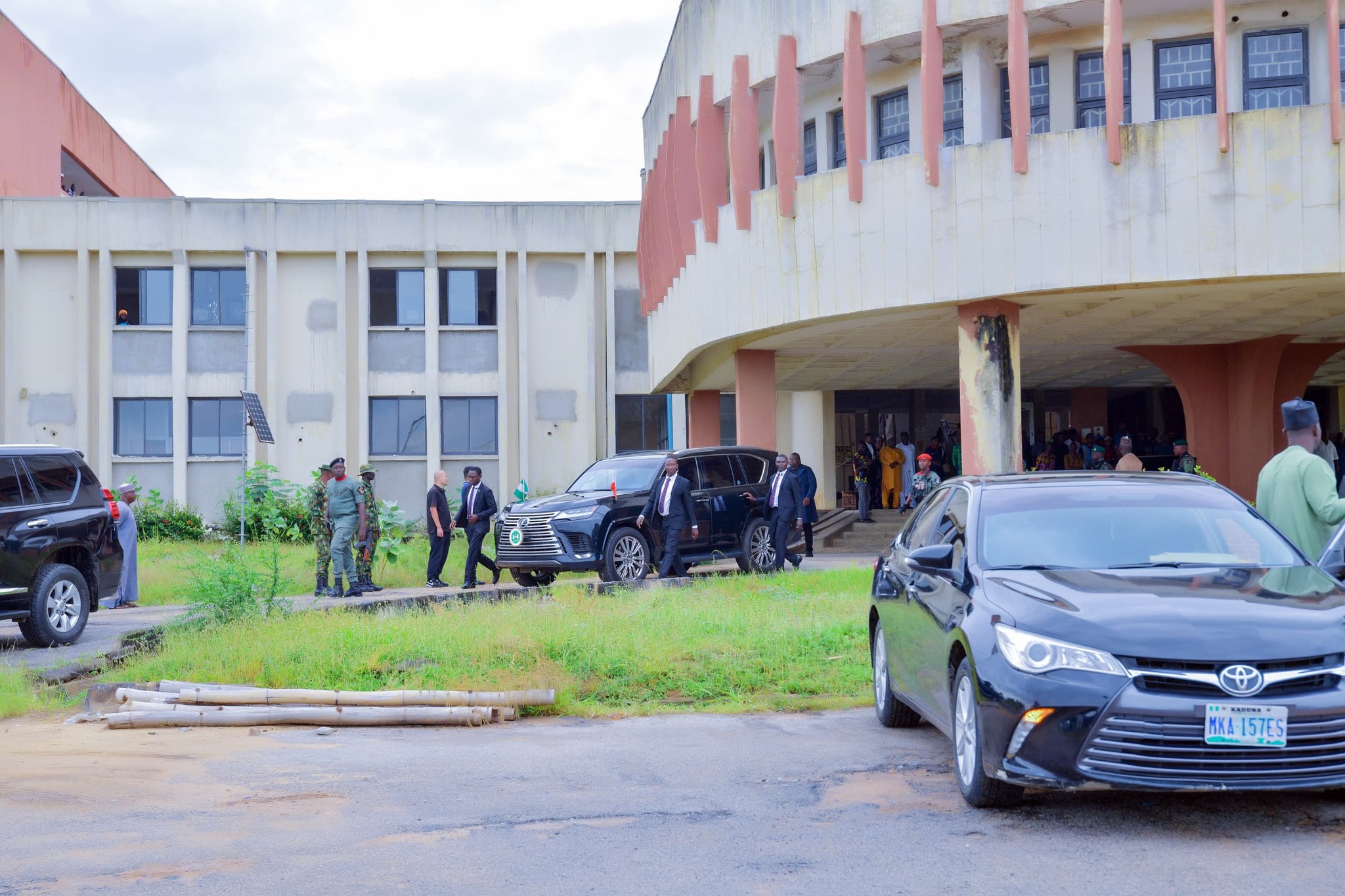
This same lesson applies to Taraba State today. For the past two years, His Excellency Dr. Agbu Kefas has led with a focus not on hurried projects but on laying solid foundations. While the demand for roads and infrastructure has been loud and justified, the administration chose first to strengthen security, expand access to education, boost agriculture, and reform the civil service. These steps may not carry the glamour of highways and flyovers, but they are the invisible pillars upon which sustainable development rests.
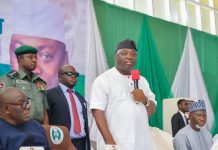
On his recent three-day tour across the three senatorial zones, Governor Kefas admitted the delays but explained why. Taraba needed a master plan. Taraba needed stable funding. Taraba needed security. Without these, any construction effort would have been a fragile showpiece, destined to collapse.
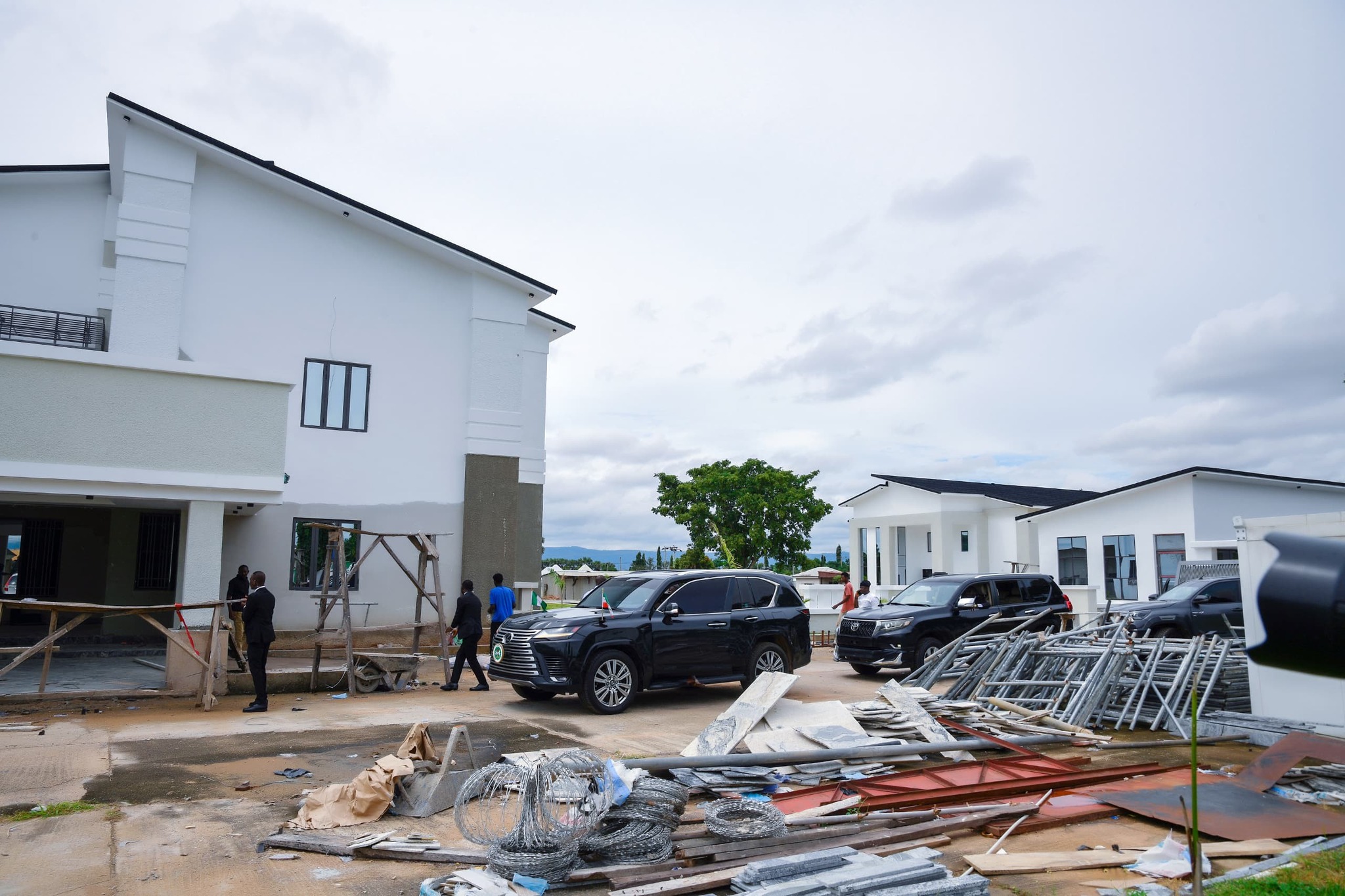
Now, with these essentials in place, he has declared that by October 2025 Taraba will become a construction site. Roads, bridges, and infrastructure will receive overdue attention—not as rushed political gestures, but as part of a carefully prepared development blueprint.
This is why the STYCOP Peace Project chooses encouragement over criticism at this moment. Just as Mandela, Gandhi, and Awolowo chose patience and strategy in their contexts, we believe Taraba must also choose wisdom over impulse. To doubt now, or to politicize development, would be to miss the opportunity before us.
Rome was not built in a day. In 34 years of statehood, Taraba has seen progress and setbacks. To expect a government only two years into its tenure to erase decades of neglect is unfair. What we can expect, however, is sincerity, vision, and steady progress. On these counts, the present administration has shown commitment.
Every generation faces a defining choice: to drown in collective complaint, or to rise above the noise and shape a new path. STYCOP has chosen the latter. We choose to stand with peace, with development, and with the vision of a Taraba rebuilt on solid foundations.
As October approaches and the state embarks on its promised infrastructural revolution, let us remember the words of Nelson Mandela: “It always seems impossible until it’s done.” Taraba’s journey has been long and filled with delays, but with unity, patience, and support, what once seemed impossible can become the new reality.
Amb Rikwense Muri, mspsp, mnipr
President, STYCOP Peace Project
25th September 2025