
By Christiana Babayo.
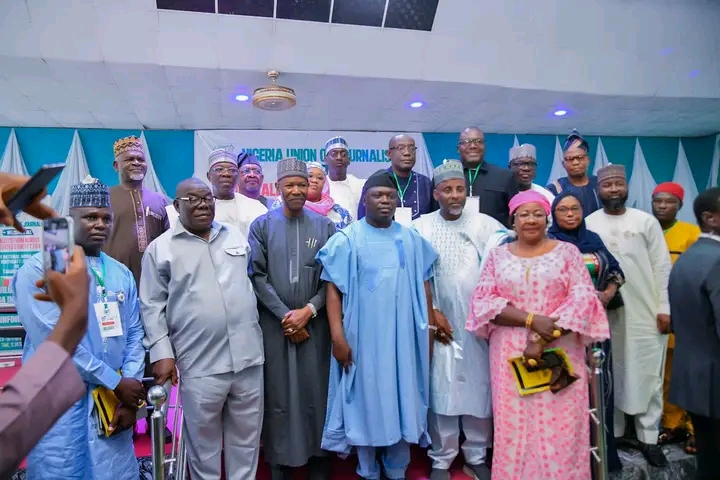
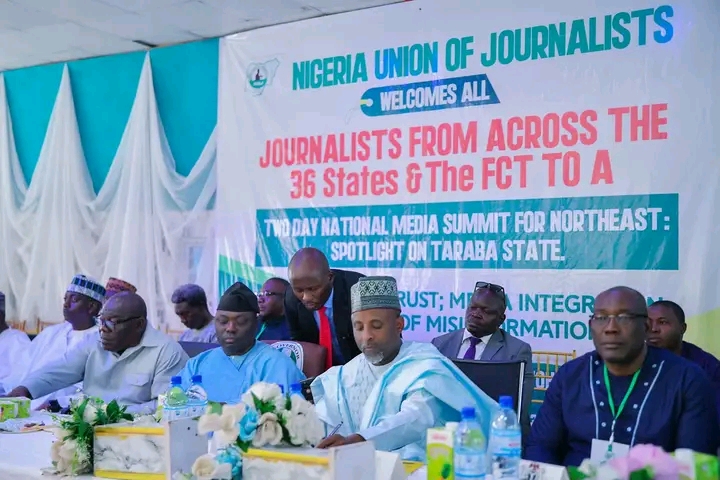
The Nigeria Union of Journalists (NUJ) on Tuesday hosted journalists from the 36 states of the federation and the Federal Capital Territory (FCT) to a national media summit aimed at redefining media practice in the country.
The summit, held at the Patience Event Centre in Jalingo, Taraba State, brought together delegates from state councils, veteran journalists, media scholars and communication experts.
Declaring the summit open, Taraba State Governor, Dr. Agbu Kefas, welcomed participants to the state, describing the event as a strategic opportunity for collaboration and reflection.
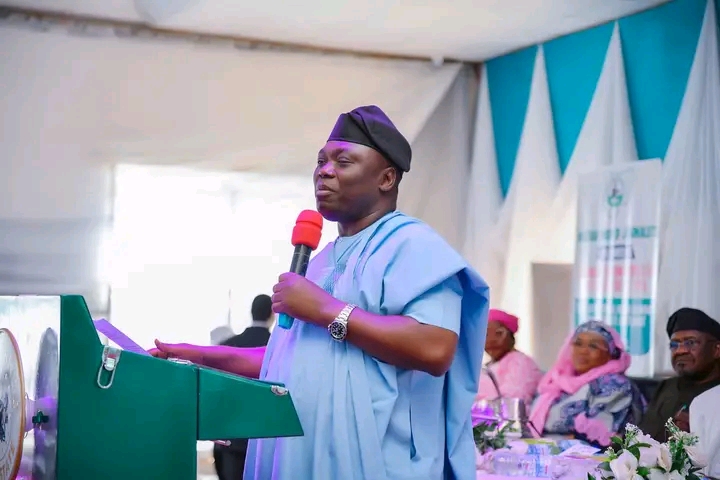
He emphasized that the press is not an enemy of government but a critical bridge between leaders and the people.
“Hosting this summit is strategic moment for collaboration, reflection. I stand before you today not as governor but as a partner who values development. The press is not the enemy of government bit the bridge between leaders and the people.
“As your host, I assure you that Taraba remains a safe home for every journalist. We will keep our doors open so that your work is made easier and more impactful. Together, let us build a nation where truth reigns,” the governor said.
Welcoming participants, the Taraba State Chairman of the NUJ, Matthew Jen, commended the national leadership of the union for the initiative, praying that the gathering would serve as a unifying point for journalists across the country and yield fruitful outcomes.
Jen urged journalists, especially young practitioners, to take advantage of the summit, describing it as a vital training ground for professional growth.
In his address, the NUJ National President, Comrade Alhassan Yahaya, appreciated the Taraba State Government for the warm reception and support accorded to the union since the idea of the summit was conceived.
He also applauded journalists in Taraba for their hospitality and commitment noting that the summit would provide an opportunity for fruitful deliberations especially in this defining moment for the profession where misinformation has become a grave threat to the integrity of the media.
“Across Nigeria and indeed the world misinformation has emerged as one of the gravest threats to public trust, social harmony, and democratic stability. In an era where anyone with a smartphone can reach millions within seconds, the burden placed on professional journalists has never been heavier, nor more sacred.
“Our theme, “Rebuilding Trust: Media Integrity in the Age of Misinformation,” reflects a national urgency. It is a call to confront the negative narratives that have weakened confidence in our profession. It reminds us that trust is the foundation of journalism and that without integrity, we lose the very soul of our calling.” Yahaya said.
The president also voiced the union’s plan to introduce a health insurance scheme for practicing journalists. According to him, the policy to be presented as a bill in collaboration with partner unions, aims to reduce health-related risks, including maternal mortality, and improve universal health coverage for media workers.
Delivering the keynote address on the theme “Rebuilding Trust: Media Integrity in the Age of Misinformation,” Vice Chancellor of Federal University, Kashere, Professor UmaruPate, lamented the influx of untrained individuals into journalism.
He warned that the activities of quacks continue to undermine the credibility of the profession and diminish public trust in conventional media.
Pate stressed the need for journalists to remain ethically responsible, especially as technological innovations reshape the media landscape.
“The friction between social media and conventional media has left many citizens confused about what to believe,” he observed.
He further noted that any state unable to strengthen its information ecosystem remains at risk, urging media houses and journalists to invest in technological competence in order not to be left behind.
“Media houses must be equipped to meet up to the technological advancement because any state unable to promote it’s information landscape is at risk. Journalists must also equip themselves so that the world will not leave us behind. We must be ethically responsible so that the people we are meant to inform do not loose confidence in the media” Pate noted.
In his remarks, the Special Adviser to the Governor on Media and Digital Communication, Emmanuel Bello, commended Dr. Kefas for promptly approving the hosting of the summit.
He described the governor as a staunch believer in free speech, democracy and development, adding that Taraba represents all the values of progressive growth.
During the technical sessions, media scholar Dr. Josiah Kente emphasized the need for journalists to reposition themselves to meet the demands of a fast-changing media environment.
He highlighted challenges such as precarious employment, declining public trust and dwindling professionalism, all of which, he said, threaten the profession.
Dr Jeji Williams, a veteran, on his part recommended strict enforcement of professionalism, adherence to ethical standards, stronger defense of press freedom and a review of existing codes of ethics.
Other veteran practitioners at the summit called for a revisit of the Journalism Enhancement Bill, the establishment of a national training and research institute for journalists, and the strengthening of NUJ membership and ethics committees.